2018 – 2023 Blockchain Crypto UX / UI

5 Years Designing
Blockchain & Crypto
Products

From hot wallets and ICO platforms to supply chain tracking — five years working on blockchain products during the most chaotic period in crypto history. Some shipped. Some didn't. All taught me something.

Blockchain product hero
Details
Company
4Soft
My role
UI/UX Designer
Period
2018 – 2023
Tools
Sketch Adobe XD Zeplin Figma

In a nutshell

0a

Five years at 4Soft during the crypto boom meant working across a range of blockchain projects — some with real products behind them, some pitched as proofs of concept to attract investment. The projects were varied: a Chrome extension hot wallet, a compliance-heavy ICO platform, and a supply chain traceability PoC for the meat industry. Three very different products, one common thread — designing trust into systems where users have every reason to be skeptical.

The context

0b

The 2018–2019 ICO boom was a strange time to be a designer. Many platforms were burning through investor money at speed, with business models that — in hindsight — were more about raising capital than solving real problems. As a designer you rarely see the full picture. You get a brief, you design, you ship. Sometimes the product disappears quietly.

What the industry lacked in stability it made up for in genuine design challenges. Users were skeptical by default. Compliance requirements were brutal. And the technology itself was invisible — you had to make people trust something they couldn't see or touch.

Trust by design

Crypto users in 2018 had seen enough scams to be skeptical of everything. Every UI decision — from color to copy — had to earn trust before asking for it.

Compliance without friction

KYC and AML flows are inherently tedious — built for regulators, not users. The challenge was making them feel like onboarding, not interrogation.

Explaining the invisible

Gas fees, transaction speed, network confirmations — concepts that have no analogue in traditional finance. The UI had to translate technical reality into human decisions.

Designing for PoCs

Several projects never went to production. The output wasn't a shipped product — it was a pitch, a whitepaper, a proof that the idea was feasible. That's a different design job.

BCT Hot Wallet

1a

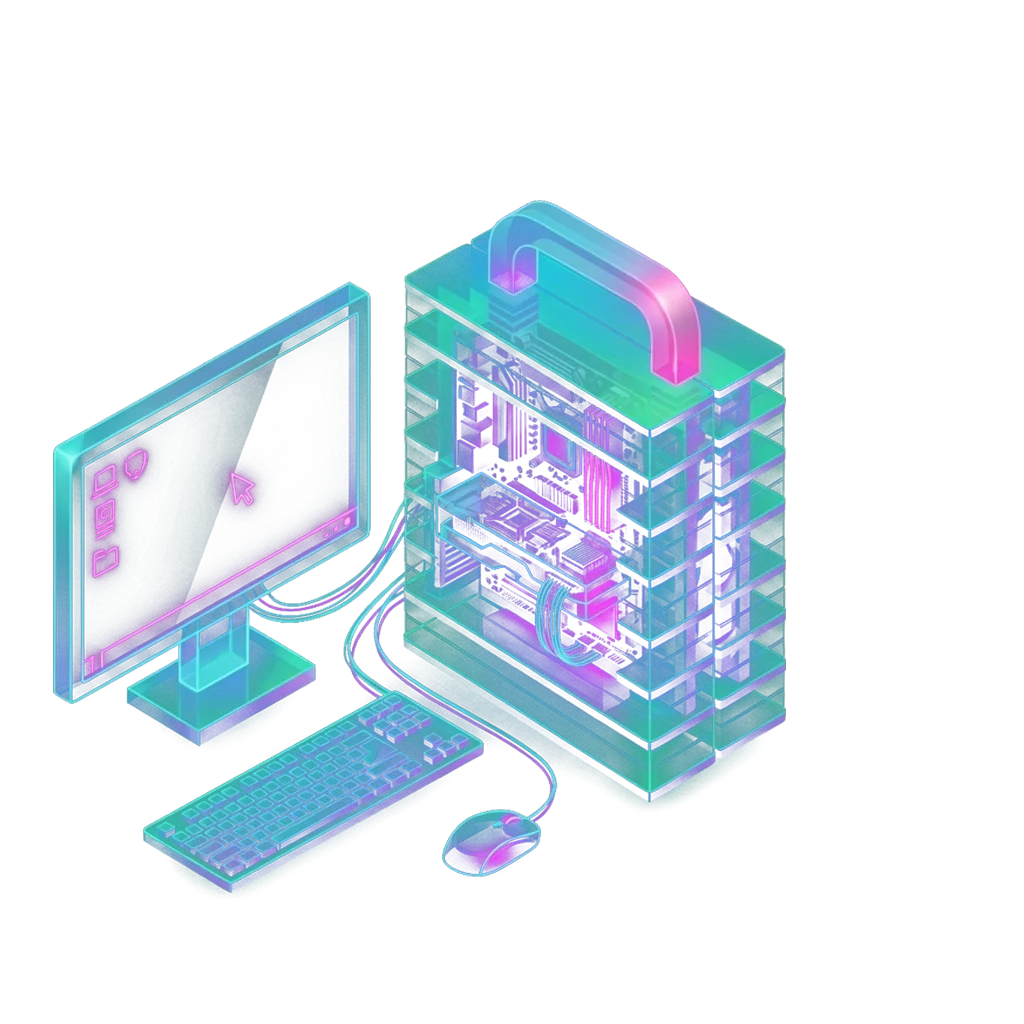
My first crypto project — a hot wallet Chrome extension for transferring and exchanging cryptocurrency. Think early MetaMask: balance overview, send to address, pick currency, choose how much gas you want to spend and how fast you want the transaction to go.

Simple on paper, but the UX of gas fees is genuinely hard. You're asking a non-technical user to make a financial decision based on network congestion they can't see. The design had to make that tradeoff legible — fast and expensive vs slow and cheap — without overwhelming them.

01 — Chrome Extension

BCT Hot Wallet

Hot wallet Chrome extension for transferring and exchanging crypto. The main design challenge: making gas fee tradeoffs legible for non-technical users.

Hot Wallet Chrome Extension Gas UX Crypto Exchange
BCT Hot Wallet

IvyCoin

2a

An ICO platform for IVY cryptocurrency — designed to carry more compliance data per transaction than any traditional payment method. Where SWIFT moves 10 data points and Bitcoin moves 1, IVY baked in 74+ KYC and 120+ KYT fields into every transfer.

I was brought in to redesign the platform from lo-fi mockups, iterating directly with the client throughout. The core design challenge: compliance flows are inherently painful. Making 74 required fields feel like onboarding rather than interrogation was most of the job.

02 — ICO Platform

IvyCoin

ICO platform for IVY cryptocurrency — 74 KYC and 120+ KYT fields per transaction. Redesigned from lo-fi mockups to make compliance feel like onboarding.

ICO KYC / KYT AML Sketch Zeplin
IvyCoin illustration

SVC — Meat Traceability

3a

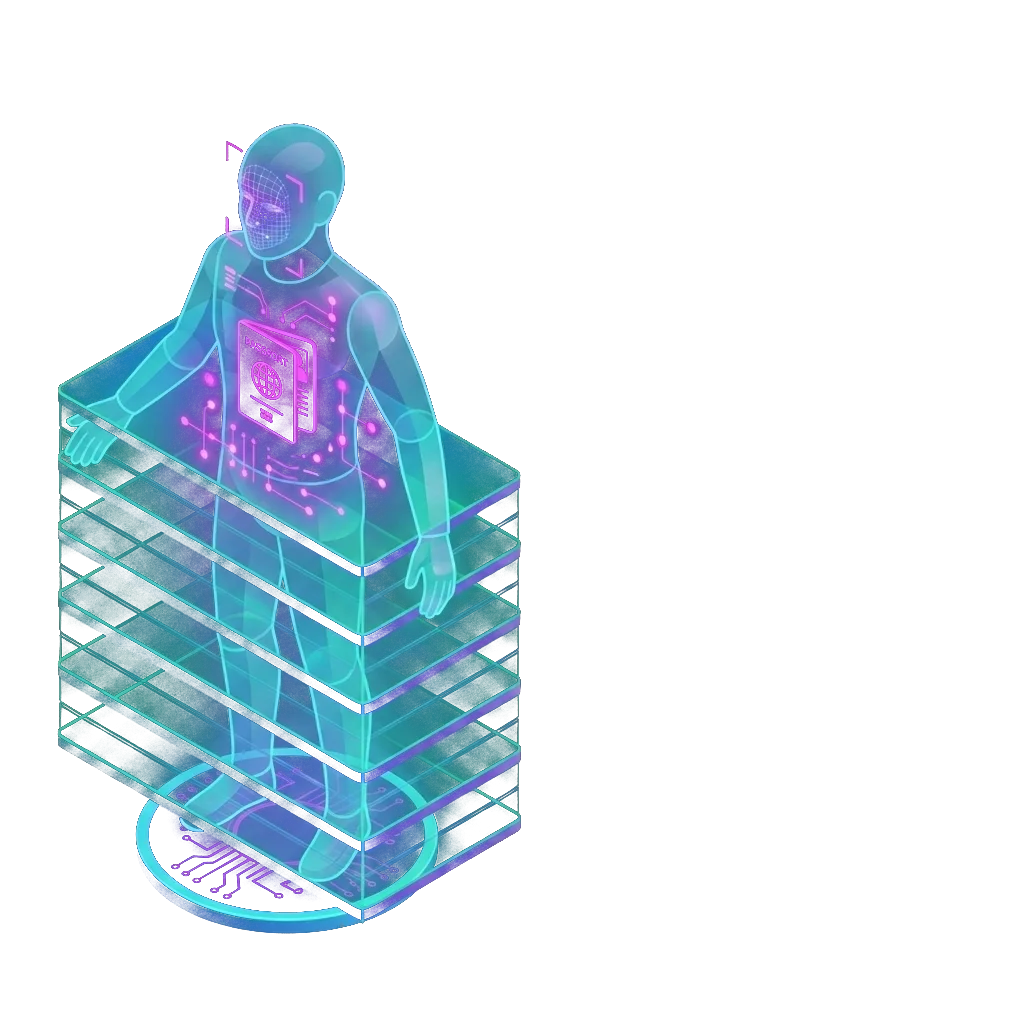
A PoC for a Swiss client building technology to comply with animal welfare laws and meat selling regulations. The end user wasn't a farmer or inspector — it was a regular person at a supermarket, scanning a product to trace its exact journey: from the farm, through the processing plant, to the shelf they were standing in front of.

The core design challenge was information architecture: a single animal could be divided into dozens of separate cuts, each becoming its own traceable unit on the blockchain — with its own record, its own journey. Figuring out how to structure that hierarchy, and how to surface it cleanly for a consumer who just wants to know if their steak came from a well-treated cow — that was most of the thinking.

The product never went into production. My job was to gather requirements, produce mockups clear enough to communicate the concept, and help build the whitepaper and presentation the client needed to find investors. Designing for a pitch is a different discipline — you're selling the idea, not the interface.

03 — Proof of Concept

SVC

Meat traceability on blockchain for a Swiss client — from farm to shelf. Designed for an investor pitch, not production.

PoC Supply Chain Whitepaper Adobe XD
SVC meat traceability illustration

A different kind of blockchain

4a

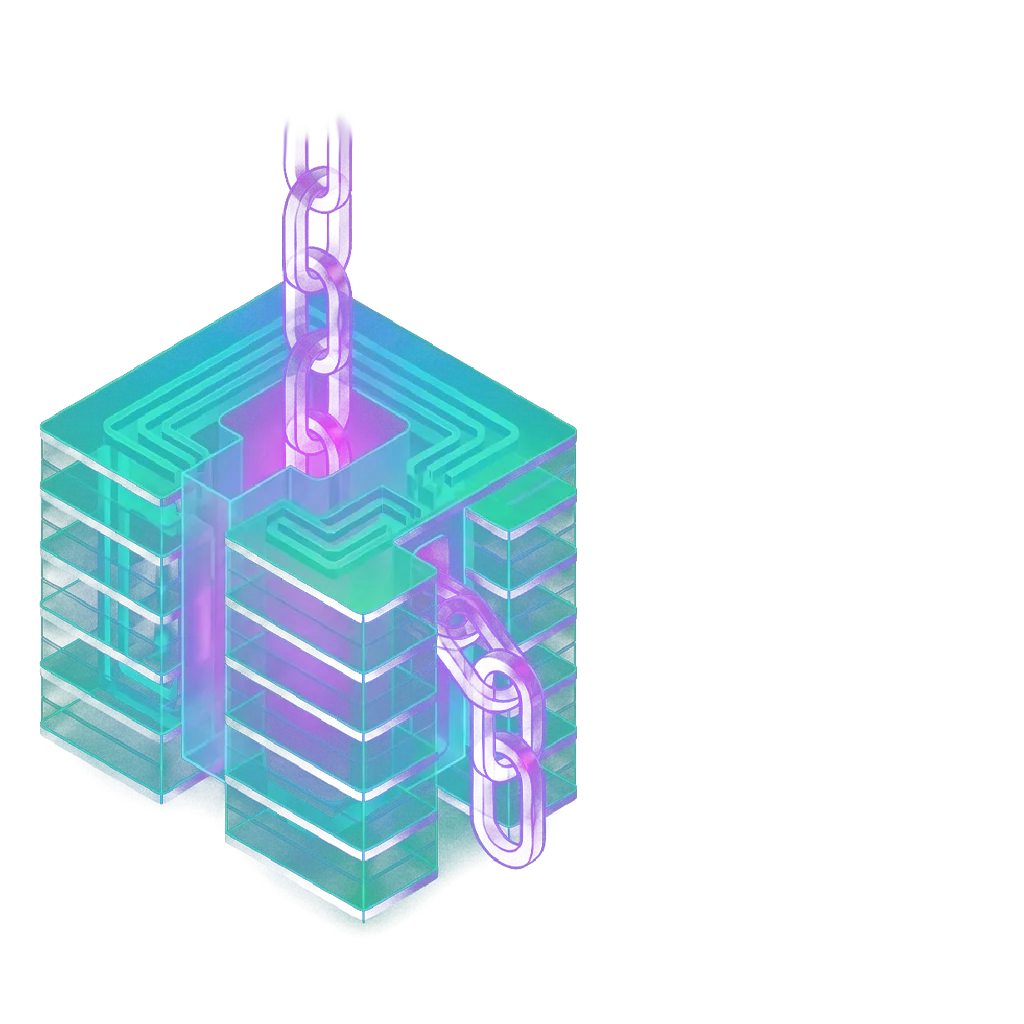
With time, I came to think the real value of blockchain was never the currency — it was the licensing and provenance layer. You can mark anything: artwork, meat, ammunition. Anyone in the chain can verify where something came from and who handled it.

ArtClear was the only project where that idea was actually the whole point — no tokens, no speculation, just proof of origin backed by HP fingerprinting technology. It's also the only NFT-adjacent project I've worked on, and the one that proved the concept works.

A deeper look

When blockchain has nothing to do with crypto

SaaS for artwork management and licensing that ensures security, prevents fraud, and connects participants for future sale of an art piece — with the possibility to generate a certificate or title of authenticity based on NFT technology. ArtClear is the only project from this period that grew into something large enough to deserve its own story.

View another case study

What 5 years in blockchain taught me

5a

The projects that aged well weren't about trading — they were about provenance. Knowing where something came from. That idea is still the most interesting thing blockchain can do.

Compliance is a design problem

KYC, AML, gas fees — none of it is user-friendly by default. Five years in crypto taught me that the hardest UX work is turning regulatory requirements into something a real person can get through without dropping off.

Not everything ships — and that's fine

PoCs, whitepapers, investor pitches — half the work I did in this period never went live. Designing to prove an idea is as valid as designing to ship one. The output is different, the rigor is the same.

The real use case took time to emerge

Most of the 2018 boom was noise. The projects that aged well weren't about trading — they were about provenance. Knowing where something came from. That idea is still the most interesting thing blockchain can do.

Let's create something
amazing together

Have a project in mind? I'm always open to discussing new opportunities, collaborations, or just to say hello.